
B2B Massage in Southeast Asia
B2B Massage on SwanPass: 140 venues in 20 cities, listed by city with the top-rated venues and a practical guide.
Top B2B Massage venues
Ranked the same way as our city lists: Featured first, then by member rating and reviews.
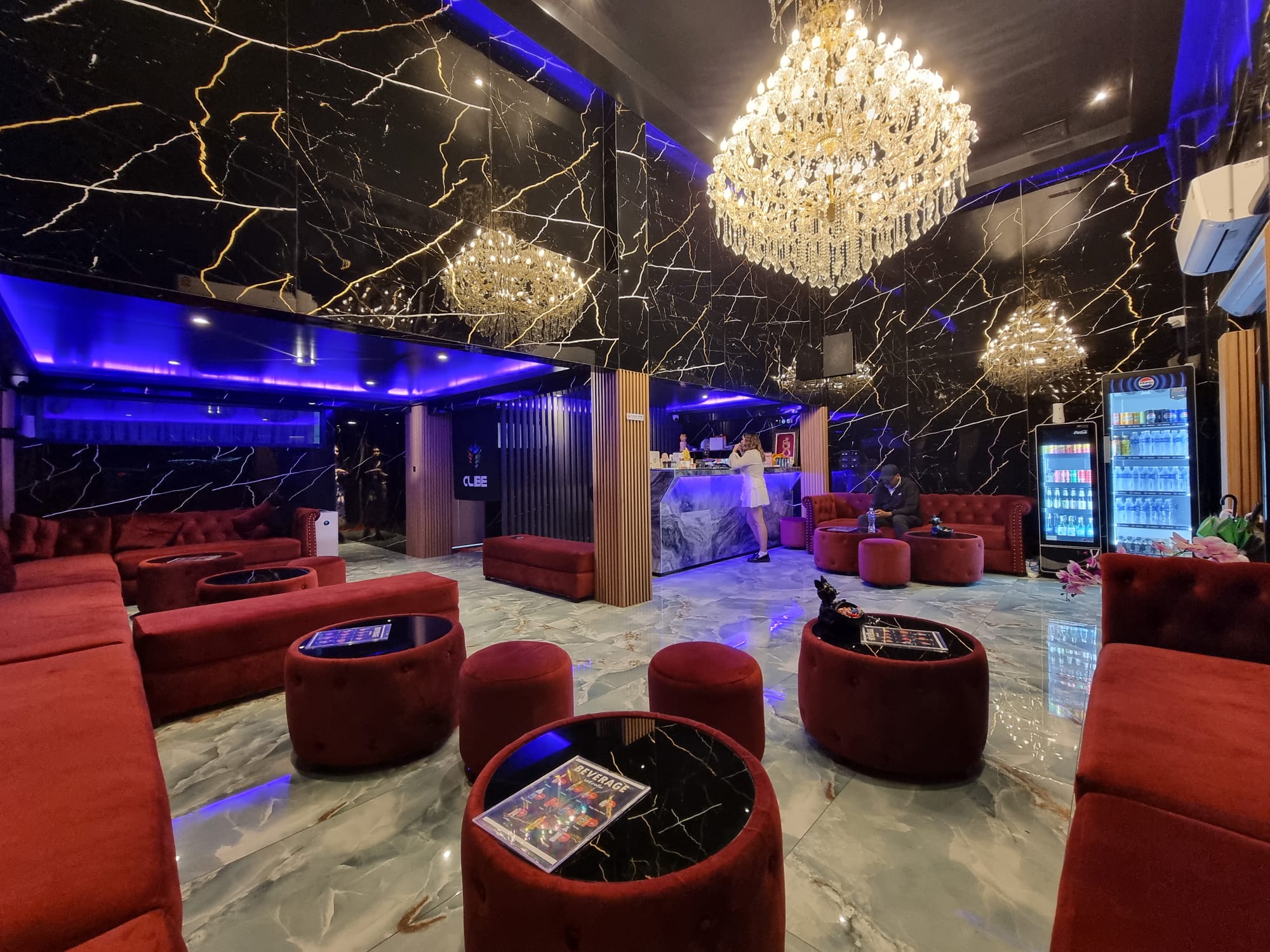
 from ฿2,100 ≈ $62
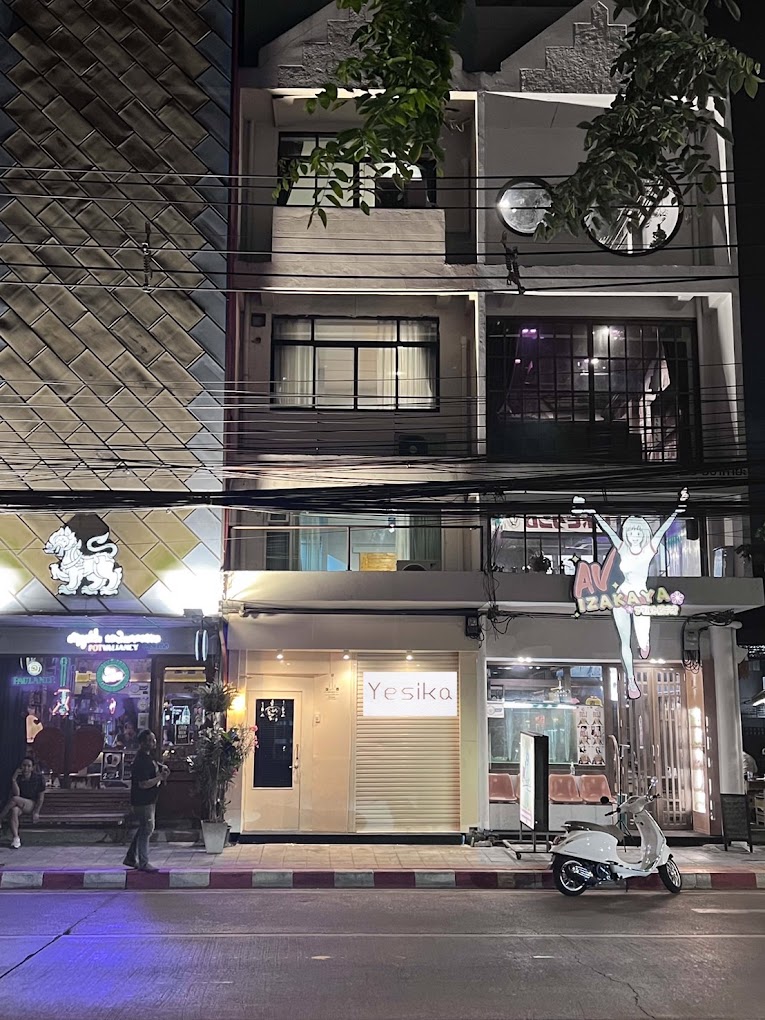 from ฿2,000 ≈ $59
 from ฿1,600 ≈ $47
 from ฿1,699 ≈ $50

B2B Massage by city
Venue counts are computed from the venues listed on SwanPass right now.
| City | Country | Venues |
|---|---|---|
| B2B Massage in Bangkok | Thailand | 68 |
| B2B Massage in Kuala Lumpur | Malaysia | 37 |
| B2B Massage in Chiang Mai | Thailand | 10 |
| B2B Massage in Yangon | Myanmar | 5 |
| B2B Massage in Phitsanulok | Thailand | 4 |
| B2B Massage in Pattaya | Thailand | 2 |
| B2B Massage in Bali | Indonesia | 1 |
| B2B Massage in Batam | Indonesia | 1 |
| B2B Massage in Ho Chi Minh City | Vietnam | 1 |
| B2B Massage in Jakarta | Indonesia | 1 |
| B2B Massage in Johor Bahru | Malaysia | 1 |
| B2B Massage in Kanchanaburi | Thailand | 1 |
| B2B Massage in Ko Samui | Thailand | 1 |
| B2B Massage in Mandalay | Myanmar | 1 |
| B2B Massage in Penang | Malaysia | 1 |
| B2B Massage in Phu Quoc | Vietnam | 1 |
| B2B Massage in Phuket | Thailand | 1 |
| B2B Massage in Ratchaburi | Thailand | 1 |
| B2B Massage in Ubon Ratchathani | Thailand | 1 |
| B2B Massage in Udon Thani | Thailand | 1 |
Where B2B Massage venues cluster
The busiest areas right now, counted from the venues listed on SwanPass.
These venues carry 6,495 reviews on their SwanPass pages, averaging 4.6 out of 5. 7 were written by SwanPass members; the rest are imported from Google.
B2B is a stroke, not a shop type. Body-to-body means the therapist works with the forearm, the torso and their own weight, travelling in long gliding lines through oil, instead of chasing knots with thumbs. The pressure comes from leaning. The contact is wider than a pair of hands can make.
If a menu in Kuala Lumpur or Bangkok prints those three letters, that is the method it is selling. Thai stretching is a different job. A standard oil massage is closer, but still a hands-and-thumbs craft.
Forearms first, then the rest of the body
Oil goes on so the therapist can travel the full length of the back, the legs and the sides without catching. Forearms lay down the long lines. On some strokes the torso follows, adding weight so the pressure stays even from shoulder to hip. Hands still work the neck and calves. They are not the main tool.
A standard oil massage keeps the therapist beside the table, working with palms, knuckles and fingers. You feel smaller points of pressure. B2B trades that pinpoint work for a heavier, continuous glide.
Traditional Thai massage sits further off. It is usually done in loose clothes, on a mat, with no oil. The therapist stretches, compresses and presses through thumbs, palms, elbows and knees. Muscle is held and moved, not slid over. Thai is the stretch. B2B is the oiled glide.
B2B, Thai, and oil, point by point
- What applies the pressure. B2B: forearms, torso and body weight. Standard oil: hands and thumbs. Thai: thumbs, palms, elbows and knees, plus stretches.
- Oil. B2B uses it. A standard oil massage uses it. Thai does not.
- Clothes. Thai is done in loose clothes on a floor mat. B2B and oil massage are done with oil on the skin, on a bed, with a towel for draping.
- The stroke itself. B2B is long and gliding. Oil massage mixes gliding with kneading and thumb work. Thai is stretch, hold and press.
- The furniture. B2B and oil massage use a treatment bed. Thai uses a mat.
Read the menu line, not the shop window. A venue can offer all three.
Kuala Lumpur prints it as often as Bangkok
On SwanPass, Kuala Lumpur and Bangkok sit almost level for listings whose descriptions mention B2B. Nowhere else on SwanPass do two capitals share a service label this evenly.
Kuala Lumpur clusters around Bukit Bintang, with a smaller group in Setapak. Bukit Bintang is the hotel and shopping district, so many of those rooms are a short walk from where visitors stay.
Bangkok clusters around Phrom Phong and Asok, then a thinner scatter in Thonglor and Nana. Menus there already list Thai, oil and other named techniques, so the same three letters do a sorting job. This item is the oiled, gliding one, not the stretch on the mat.
After those two cities the density drops. Chiang Mai has a clear pocket on Chang Khlan and another on Suthep. Yangon, Bali and Pattaya each show a handful. Phuket, Penang, Jakarta and a few other towns have one or two each. If you are comparing cities, start with Kuala Lumpur and Bangkok, then Chiang Mai.
The shower, the oil, and the clock
A B2B session usually starts in a private room with a shower. You wash, the oil comes out on the bed, and the timed line on the menu is the session. Some reviews mention a rinse at the end as well. Time is what reviews argue about most.
Reviews on SwanPass venue pages keep coming back to rooms that are actually clean, a greeting at the door that feels warm rather than bored, and therapists who stay with the stroke instead of rushing it. People notice when enough English or Chinese is spoken to set the pressure, and when a session runs for the time they booked. Skill, in these comments, means a long even glide, not a poke at the shoulders.
A recurring complaint is time that shrinks. A booked hour becomes a short massage between two long showers. Therapists hurry the client, glance at a phone, or cut the work short. Other low scores describe a confirmed booking that was then ignored, or a door closed during the hours on the listing. Weigh the recent comments for those patterns. A single old high score will not tell you how the room runs this month.
Menus, hours, pin, latest comments
Open the listing and read the menu names first. B2B, body-to-body, or body-to-body oil is the stroke described above. Match opening hours to the day you will arrive. Then look at the area: Bukit Bintang is not Setapak, and Phrom Phong is not Nana. Skim the newest reviews for timekeeping, cleanliness and whether the therapist stayed with the work. Photos, the map pin and review dates are on the same page, and how a SwanPass listing is put together explains the rest, including why Featured venues sit first.
Directory snapshot: . Listed hours and service labels have not been independently verified; review accounts may be older.
How we count and rank venues: our methodology.
B2B Massage FAQ
What does B2B massage mean?
B2B means body-to-body. The therapist uses the forearms, torso and body weight for long gliding strokes, usually with oil, rather than working mainly with hands and thumbs. On SwanPass it is a technique label on a menu, not a brand and not a separate kind of venue. A shop can list B2B next to Thai or a standard oil massage.
What is the difference between B2B and Thai massage?
Thai massage is typically done in loose clothes, on a mat, with no oil. The therapist stretches and applies focused pressure through thumbs, palms, elbows and knees. B2B is an oiled session on a bed. Pressure comes from the therapist's forearms, torso and body weight in long gliding strokes. They are different methods. A venue may offer both, so trust the menu name.
What is the difference between B2B and nuru massage?
B2B is usually oil on a treatment bed, with long strokes from the therapist's forearms and torso. Nuru uses a gel, typically on a waterproof sheet, which changes the contact into a slide rather than an oiled glide. Some venues list both as separate items. Read the menu line. The shop's other techniques do not tell you which one you booked.
Is B2B massage the same as tantric?
No. B2B names a physical stroke: oil, forearm and torso contact, body weight. Tantric massage comes from a different tradition and is usually described around pacing, breath and attention rather than that specific glide. A menu might print both words. They are not interchangeable, so match the item name to the method you want.
Where can I find B2B massage in Kuala Lumpur?
Kuala Lumpur has about as many SwanPass listings mentioning B2B as Bangkok. The main clusters are Bukit Bintang and Setapak. Other neighbourhoods appear in smaller numbers. Open a listing for the map pin, opening hours and the most recent reviews before you go.
How long is a B2B massage?
The length is set by the venue menu, not by the technique. Reviews on these pages praise sessions that run for the booked time and complain when long showers eat into it. Check the menu line, then the latest comments for how that venue actually keeps time.