

Sexual Health Services for Travelers in Thailand: Finding Reliable Testing and Advice
Travelers who need sexual-health testing in Thailand should use a licensed clinic or hospital that explains which tests are offered, when each test can detect an infection, how results are delivered and what follow-up care is available. A negative result taken too early may not answer the question. Urgent exposure questions require prompt clinical advice, not a travel-blog timetable.
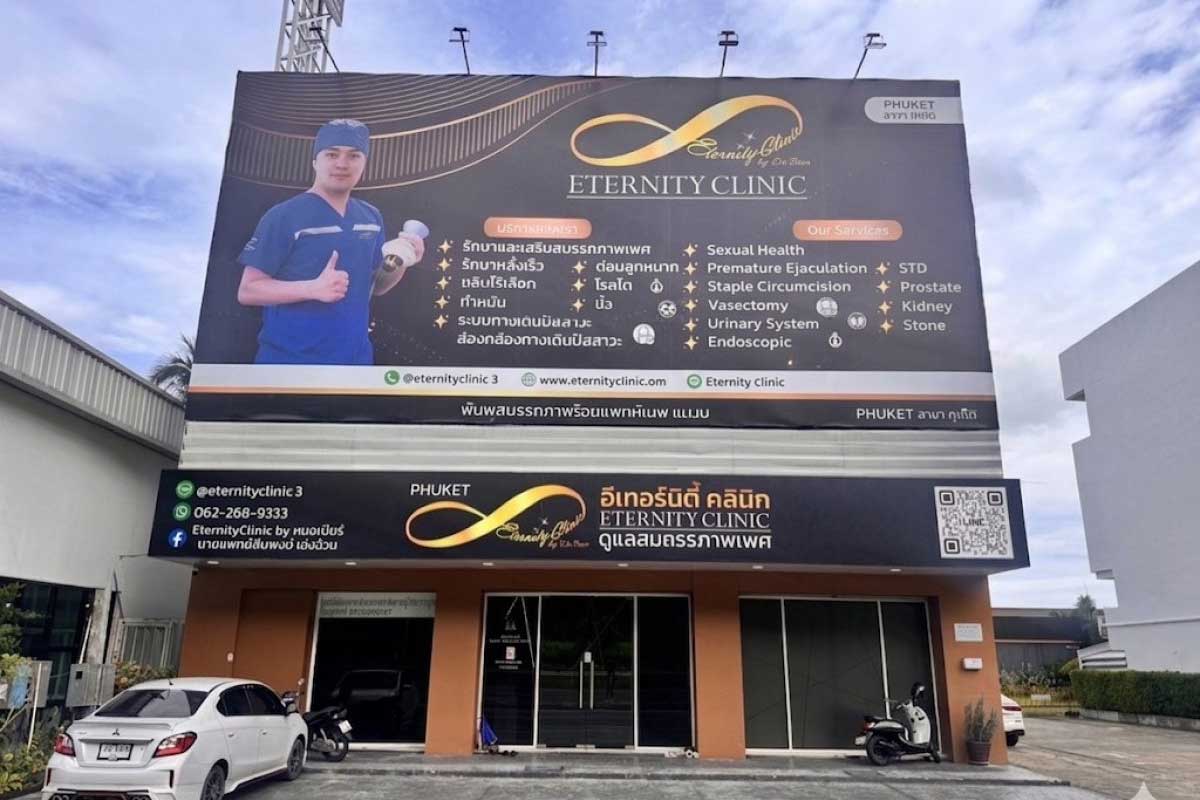
Choose the clinic by capability, not advertising
| Question to ask | Why it changes the decision |
|---|---|
| Is a licensed clinician available? | Results and symptoms need clinical interpretation |
| Which infections and specimen types are covered? | A vague “full panel” has no standard meaning |
| What is the window period for each test? | Timing affects what a negative result can exclude |
| Is confirmatory testing available? | Screening and diagnosis are not always the same step |
| How are privacy and records handled? | Travelers need a safe result-delivery process |
| Can the clinic arrange treatment or referral? | Testing without follow-up can strand the patient |
The Thai Department of Disease Control maintains an official travel-health service directory. It is a starting point, not proof that every listed unit offers every sexual-health test. Call first.
Do not build your own window-period calendar
Different infections, tests and specimen sites have different detection windows. Symptoms do not reliably prove or exclude an infection. Tell the clinician the exposure date, body sites involved, symptoms, prior testing and any medication already taken. Do not omit details out of embarrassment; the details choose the test.
An online article cannot decide whether post-exposure treatment is appropriate. Seek urgent professional advice after a recent concerning exposure because some interventions are time-sensitive.
Privacy questions belong before payment
Ask how the clinic identifies patients, sends results, stores passport details and handles insurance documents. Decide whether email, messaging or a patient portal is acceptable before the result exists. Never send another person's name, image or medical information to SwanPass.
When it is an emergency
Call 1669 for a medical emergency. Severe symptoms, loss of consciousness, breathing difficulty or suspected assault need urgent care rather than a routine screening appointment. Tourist Police on 1155 can assist travelers; police emergencies use 191.
Bring a timeline, not a vague memory
Write down the exposure date, symptoms, prior tests, vaccines, allergies and current medicine before the appointment. Include the time and dose of anything already taken. Travel days merge quickly; “last weekend” gives a clinician less to work with than an actual date.
Ask what the quoted price covers. Consultation, specimen collection, laboratory work, confirmatory testing, medicine and follow-up may be separate. A cheap headline package is poor value when it excludes the infection or specimen site relevant to the exposure.
Keep the laboratory report, not only a message saying “all clear.” The document should identify the test, specimen, collection date and result. Another clinician can interpret that later without relying on a translated chat summary.
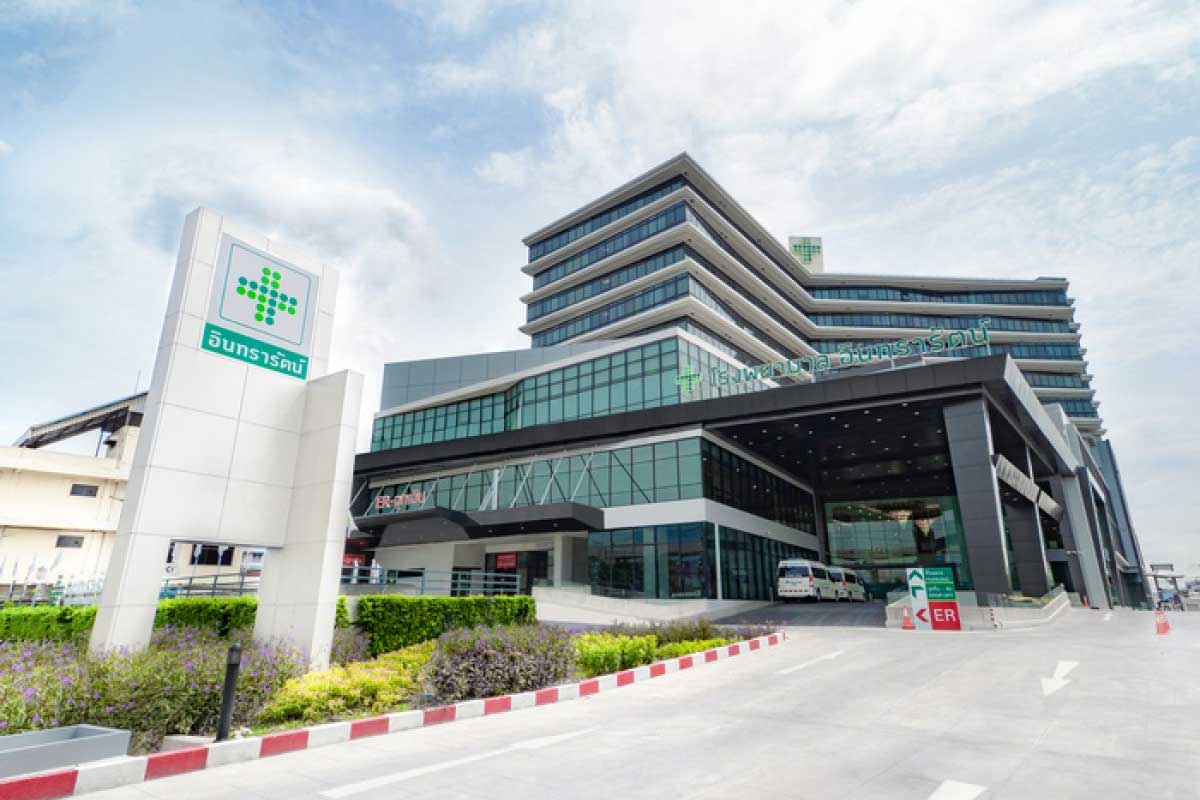
Red flags when choosing a testing service
Walk away from anyone promising that one immediate test excludes every infection. Be cautious when a provider cannot name the laboratory method, refuses to discuss window periods, sells antibiotics before assessment or advertises confidentiality without explaining result delivery.
A credible clinic will explain what happens after a reactive or unclear result. Travelers focus on speed and forget the harder question: who provides care when the answer is not negative?