
Protecting Your Phone, Identity and Payments on a Night Out in Thailand
Set up the loss before it happens: use a strong device passcode, hide lock-screen message previews, enable remote location and erase, store recovery codes away from the phone, carry only one spending card and keep reserve money at the hotel. A stolen device should be an inconvenience, not the key to email, banking and identity recovery.
Five assets, five controls
| Asset | Main exposure | Control |
|---|---|---|
| Phone | Unlocked access to every account | Strong passcode, short auto-lock, remote erase |
| SIM | SMS account recovery | Carrier PIN and separate recovery method |
| Bank card | Contactless or PIN abuse | One spending card, instant freeze capability |
| Passport | Identity theft and travel disruption | Secure original; carry only what law and situation require |
| Cash | Irrecoverable loss | Nightly limit split from transport reserve |
Lock-screen privacy matters
A locked phone can still reveal one-time codes, private messages, hotel details and names through notifications. Disable sensitive previews. Do not use an easy six-digit pattern built from a birthday visible in your accounts.
Keep the device off the table edge. A cross-body pocket or zipped front compartment removes the casual grab that starts many losses.
Payment discipline reduces arguments
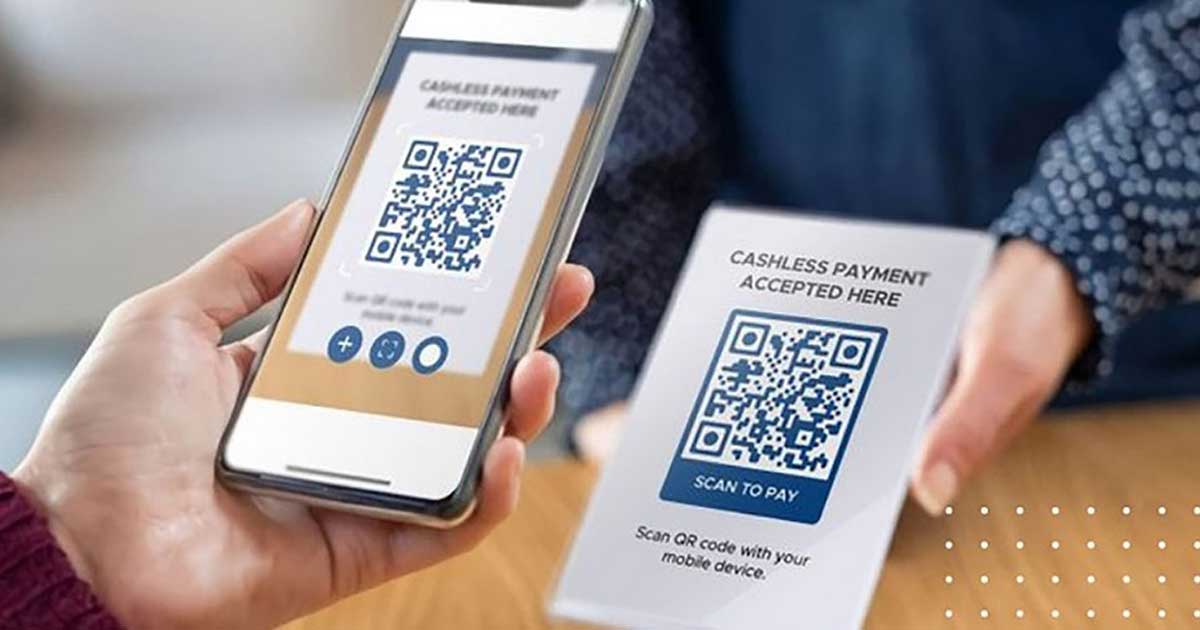
Read the amount before tapping, inserting or scanning. Confirm the recipient name on a QR payment and never approve a screenshot supplied as proof that your payment failed. Keep the receipt until transactions settle.
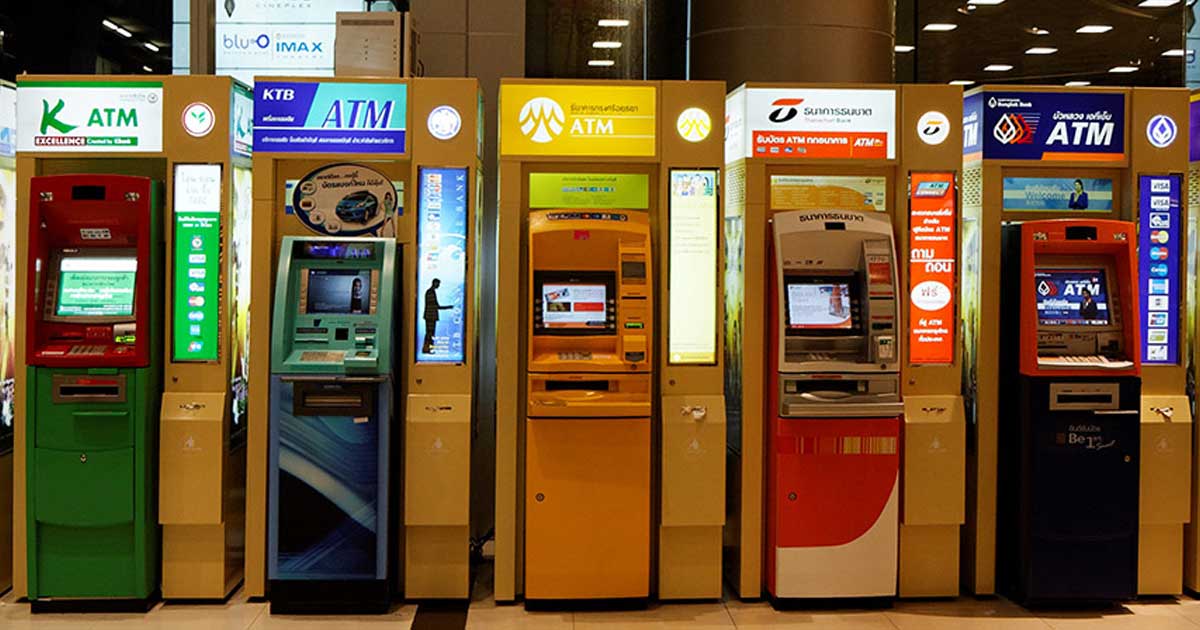
The cash, cards and ATMs guide covers withdrawal planning. Separate the ride-home reserve from venue spending.
If the phone disappears
- Move to a safe, staffed location.
- Use another device to locate and lock the phone.
- Freeze payment cards and contact the carrier.
- Change the primary email password before lower-value accounts.
- Preserve the time and location; call 191 for crime or 1155 for Tourist Police assistance.
Do not chase a location dot into an unknown building.
Build a travel phone that can fail safely
Record the serial number and carrier contact somewhere else. Enable encryption, remote tracking and current operating-system updates. Test recovery from another device before departure. A recovery code stored only inside the missing phone is useless.
Primary email and banking deserve strong authentication. An authenticator or hardware key cuts some SIM-swap risk when backup access is stored securely. Remove work accounts and payment cards with no role on the trip. Less data means less cleanup.
Carry a battery pack and your own cable. Never leave an unlocked handset behind a bar for charging. Unknown USB ports introduce another question at the worst time.
The bill check gets its own routine
Read merchant and amount before every approval. Keep the card visible where possible. Enable instant alerts and know how to freeze it without an international call. A second card belongs elsewhere, not beside the first.
Thai QR screens often display a recipient name. Stop when it does not match. Do not pay twice because somebody displays a failure screenshot; check your own transaction history first.
Recovery follows an order: primary email, mobile carrier, banks, then lower-value accounts. Write down every call and reference number. Use a trusted device rather than a public computer that may retain the session.
Run the ten-minute drill before flying
Lock the phone and verify that notifications hide sensitive text. Locate it from another device. Freeze and unfreeze the travel card inside the bank app. Retrieve one recovery code without opening the phone. Call the hotel from the number stored offline.
Any failed step reveals the work to do while calm, sober and connected to trusted Wi-Fi. Security advice becomes useful only after it survives a rehearsal.