
Common Nightlife Scams in Thailand: Warning Signs and What to Do
The strongest warning sign is not a dramatic story; it is a transaction whose terms keep changing. Watch for missing menus, vague inclusions, unofficial payment links, substituted venues, unexplained items and transport quotes that shift after departure. This guide describes patterns, not accusations against any named business.
Warning signs by transaction
| Transaction | Warning sign | Control |
|---|---|---|
| Venue bill | No itemised total or unfamiliar items | Check each round and keep the bill visible |
| Promotion | “Free” item with unstated condition | Ask what triggers payment before accepting |
| Booking | Pressure to transfer immediately | Verify the business and payment recipient separately |
| Transport | Price changes once the vehicle moves | Agree total, destination and vehicle before boarding |
| ATM/card | Dynamic conversion or fee accepted unread | Read every screen and decline terms you reject |
| Introduction | You are steered to a different venue | Recheck the name, pin and menu from scratch |
The inflated bill pattern
An unexpectedly high bill is not automatically fraud. It can come from misunderstood staff drinks, minimum spend, taxes, service charge or a simple error. The red flag appears when staff refuse an itemised explanation or add charges that nobody ordered.
Ask for the menu before the first order. Photograph the bill only if venue policy permits and no people appear in frame. Settle rounds periodically when the venue supports it. The Thailand nightlife terms guide removes much of the ambiguity before money reaches the table.
The switched destination pattern
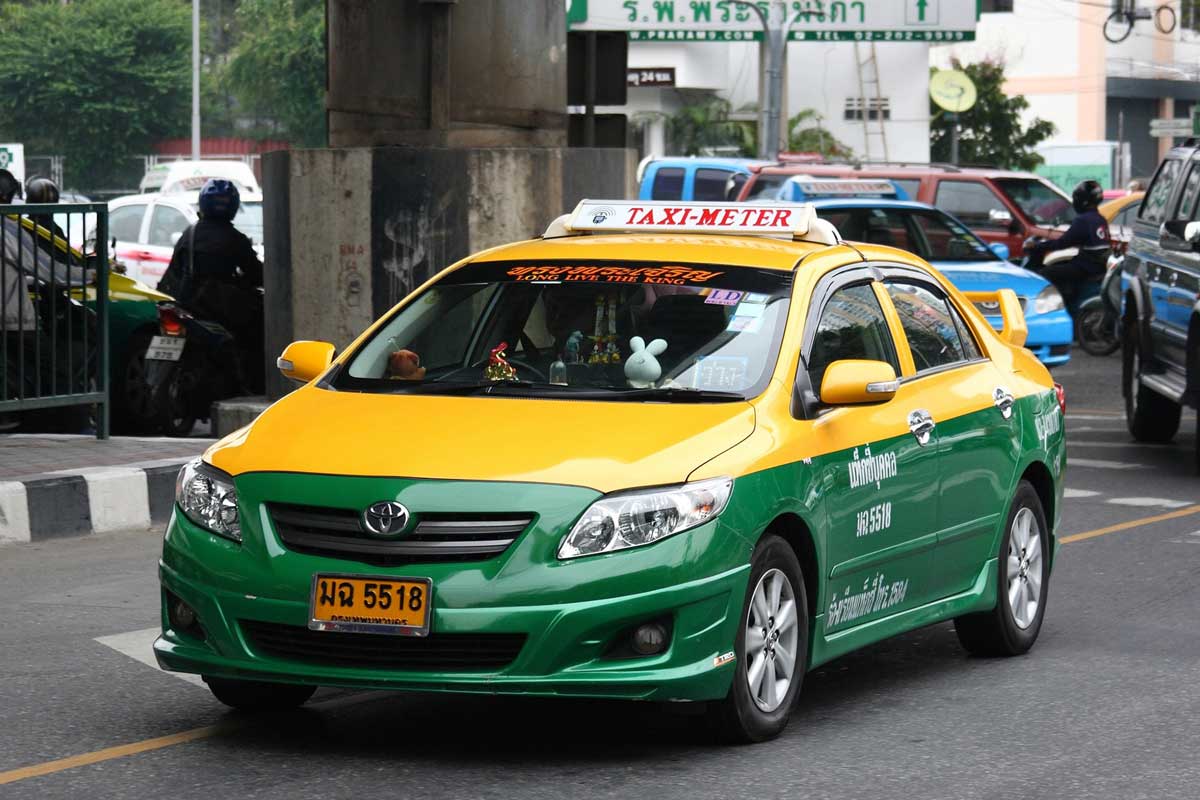
A promoter or driver may suggest that the chosen venue is closed and offer another place. Sometimes the information is true. Treat the replacement as a fresh decision anyway: check its exact name, map pin, category and prices instead of transferring trust from the first venue.
Do not let a sunk taxi fare force the decision. The cheapest exit from a doubtful transaction is often leaving before ordering.
The urgent transfer pattern
Pressure, secrecy and a payment account that does not match the business deserve a pause. Verify through a second channel you found independently. The Tourist Police Trust Portal explicitly advises travelers to verify information carefully before bookings or transfers and provides tools aimed at suspicious tourism-service URLs.
Card chargebacks are not a planning method. A completed transfer can be difficult to reverse across borders.
What to do during a dispute
- Stop adding purchases.
- Ask for the itemised bill and original menu.
- Pay the legitimate, understood amount through a traceable method when possible.
- Move toward a staffed, public location if voices rise or exits feel restricted.
- Call 191 for immediate danger or 1155 for Tourist Police assistance.
- Preserve the receipt, time, venue name and non-identifying evidence.
Do not threaten staff, grab property or turn a billing dispute into a physical contest.
Reporting without spreading a false accusation
State what happened: “the bill included two drinks I did not order.” Avoid declaring a business criminal from one unresolved disagreement. Send SwanPass the listing URL, disputed field, date and evidence through https://swanpass.com/feedback. Privacy still applies; remove names and faces that are not necessary.
Keep the evidence boring
Save the menu, bill, payment record, time and exact branch. Those plain details carry more weight than an angry video filmed after the argument. Write the sequence while memory is fresh. Separate what you ordered, what arrived, what appeared on the bill and how staff responded when asked.
Do not publish worker faces or names to rally strangers online. Send evidence to the payment provider, police or editorial channel suited to the problem. A factual timeline travels further than a dramatic accusation.
Questions about this guide
Is every high bill a scam?
Should I pay a booking deposit?
What should I do if someone says my chosen venue is closed?
Can I name a venue publicly after one dispute?
Sources and update log
- Tourist Police Trust Portal, checked 16 September 2026.
- Tourist Police official site, checked 16 September 2026.
First draft: 16 September 2026. No venue is accused in this article.